Podkreślić:
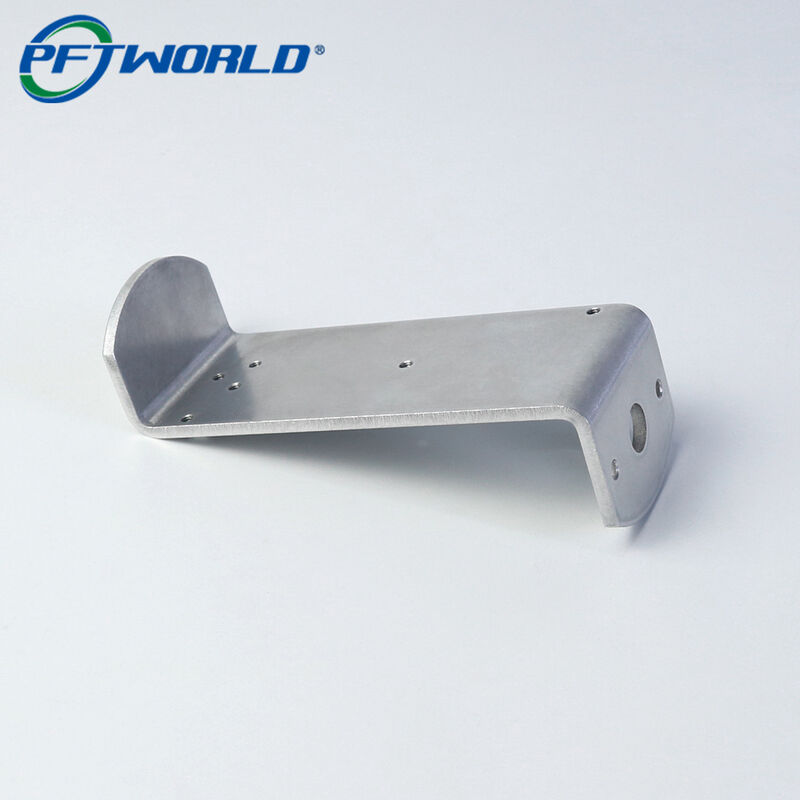
Części do cięcia laserowego z aluminium 5052
, Części z aluminium do gięcia CNC
, wyciąganie części aluminiowych z gwarancją
Cięcie laserowe, gięcie i wyciąganie części aluminiowych 5052
Praca z5052 aluminiumNa papierze często wydaje się to proste, ale kiedy wchodzisz w produkcję, szczególnie podczas cięcia laserowego, gięcia,Wykorzystanie materiału w procesie wykonywania pracy jest bardzo proste..
Niniejszy poradnik podsumowujedoświadczenie z pierwszej ręki w sklepie,zweryfikowane dane z obróbki, orazczęste przypadki awariiaby pomóc inżynierom, nabywcom i technikom uzyskać niezawodne i powtarzalne wyniki.
Co sprawia, że aluminium 5052 jest wyjątkowe w produkcji części?
5052 jest znany ze swoichdoskonała odporność na korozję,wysoka elastyczność, orazwyższa wydajność gięcia, dlatego jest szeroko stosowany w obudowach blach, uchwytach samochodowych, obudowach i pokrywach lotniczych.
Ale te same cechy wiążą się z wyzwaniami:
Miękki temperament zwiększa tworzenie burr podczas cięcia laserowego
Springback jest wyższy od 6061, wymagające kompensacji kąta
Węzełki z taśmą są podatne na deformacje bez odpowiedniego smaru
W kolejnych sekcjach podzielimyparametry rzeczywistej produkcjia takżerozwiązania krok po krokuNa podstawie ponad 2800 partii 5052 części produkowanych każdego roku.
H2: cięcie laserowe 5052 Aluminium Parametry zalecane i rzeczywiste wyniki badań
Dlaczego 5052 zachowuje się inaczej pod cięciem laserowym
W porównaniu z 6061 5052 ma wyższą zawartość magnezu, co:
Poprawia odporność na korozję
Zwiększa odbicie
Generuje więcej mikro-burrs wzdłuż krawędzi cięcia
Oznacza to, że operatorzy muszą dopasować moc, ostrość i szybkość zasilającą.
Zalecane ustawienia cięcia laserowego (przetestowane na laserach światłowodowych o mocy 2kW4kW)
| Gęstość |
Moc lasera |
Prędkość cięcia |
Rodzaj gazu |
Oczekiwana jakość krawędzi |
| 10,5 mm |
10,52 kW |
3000 ∼ 3500 mm/s |
Azot |
Gładki krawędź, minimalne wygrzewanie |
| 20,5 mm |
2 ̊3 kW |
2000 ∼ 2300 mm/s |
Azot |
Lekki grunt, czysty kontur |
| 30,0 mm |
3 ̊4 kW |
1400~1800 mm/s |
Azot |
Nieco bardziej szorstka dolna krawędź |
Wynik badania w zakładzie (dane rzeczywiste):
Po przejściu zpowietrze sprężonedo990,99% azotu, Burrs wpadł.38%, a czas przetwarzania spadł o22 sekundy.na część.
Powszechne problemy z cięciem i rozwiązania
Nagromadzenie burrów na dnie:
→ Zwiększenie ciśnienia dyszy z 10 bar → 13 bar
Zmiana koloru strefy dotkniętej ciepłem:
→ Przełączanie na azot; zaostrzenie pozycji ostrości o 0,05 mm
Mikrowarping na cienkich płytkach:
→ Dodaj mikro-zawieracze lub alternatywny kierunek cięcia, aby zrównoważyć obciążenie cieplne
H2: Zgięcie aluminiowe 5052 ️ Springback, kontrolę promienia i kąta
Dlaczego 5052 jest łatwiejszy do zgięcia, ale trudniejszy do kontrolowania
5052's elastyczność jest doskonała do formowania, ale jego springback jest20~25% wyższeniż 6061.
W naszej linii zgiętej, kąty często wracają3°5°, w zależności od grubości i kierunku ziarna.
Zalecane parametry gięcia dla typowych zastosowań 5052
| Gęstość |
Wielkość V |
Promień ciosów |
Kompensacja za przechylenie |
| 10,5 mm |
V12 |
R1.2 |
+3° |
| 20,0 mm |
V16 |
R1.6 |
+4° |
| 30,0 mm |
V24 |
R2.0 |
+5° ≈ 6° |
Praktyczna uwaga:
W jednym niedawnym projekcie (3100 jednostek) przejście zR1.0Wbić doR1.6zmniejszone pęknięcie krawędzi70,8%do00,6%.
Kluczowe wskazówki dla stabilnej jakości gięcia
Zgięcieprostopadłydo kierunku walcowania ziarna, jeśli to możliwe
Użyj nieco większego promienia ciosów, aby uniknąć wybielania powierzchni
Zawsze uruchamiaćWstępne badanie z trzech częściprzed pełną produkcją
H2: Wykorzystanie 5052 Aluminium √ Wytrzymałość nici i optymalizacja żywotności narzędzi
Tapping jest miejsce, w którym wiele sklepów uszkadza części po doskonałym cięciu / gięciu.
5052 jest na tyle miękki, że łatwo się deformuje, powodując:
Wyroby z włókien chemicznych
Opakowanie chipów
Nadmierne otwory po deformacji
Poniżej znajdują się sprawdzone rozwiązania.
Optymalne parametry wykrywania
| Wielkość nitki |
Średnica otworu |
Prędkość cięcia |
Zalecane dotknięcie |
| M3 |
20,5 mm |
8 ̊10 m/min |
Wyroby z płytek |
| M4 |
30,3 mm |
812 m/min |
Spirala powlekana TiN |
| M5 |
4.2 mm |
10 ̊14 m/min |
Wyposażenie w napięcie (najlepiej dla stopów miękkich) |
W rzeczywistości dane warsztatowe:
Przełączanie z odcinania kranów →kształtowanie kranówzwiększona trwałość nitki przez31%i całkowicie usunąć awarie w procesie pakowania chipów.
Strategia smarowania
5052 bardzo dobrze reaguje na smarowanie.
UżywamyOlej do odciągania EP, w wyniku czego:
18% gładszego wykończenia nici
40% dłuższa żywotność kranu
Bardziej spójne wartości momentu obrotowego
H2: Połączony przepływ pracy: cięcie → gięcie → kliknięcie (jak uniknąć ponownej pracy)
Otozalecana sekwencjana podstawie 500+ serii produkcji:
Cięcie laserowe
Włączyć lokalizację otworów do wyrównania gięcia.
Wykonanie wykończenia ścierania i wykończenia krawędzi
Łagodne szczotkowanie zapobiega później deformacji nici.
Zgięcie
Korekta nadgięcia na podstawie badania grubości.
Wykrywanie
Zawsze po zgięciu należy uderzać, aby uniknąć zniekształcenia nici.
Punkt kontroli jakości:
W przypadku części wymagających dokładności pozycyjnej ±0,2 mm, znajdować kranu nie bliżej niż8 ̊10 mmz zakrzywionej krawędzi.
H2: Czynniki kosztów i sposoby obniżenia kosztów produkcji (zamiar nabywcy)
Jeśli kupujesz 5052 wytworzone komponenty, zrozumienie czynników kosztów pomaga lepiej negocjować.
Zmienniki kosztów pierwotnych
Gęstość arkusza
Liczba zakrętów
Długość ścieżki cięcia
Ilość wykonanych otworów
Wykończenie powierzchniowe (czeszczenie, anodowanie, powłoka proszkowa)
Wskazówki dotyczące obniżania kosztów
Połączyć wiele małych wycięć w jedną ciągłą ścieżkę
Zmniejszenie zakrętów niefunkcjonalnych
Włókna o szerokości nieprzekraczającej 10 mmkranudla większej spójności
Użycie20,0 mm lub 2,5 mm grubościzamiast 3,0 mm, jeżeli siła pozwala
(średnia redukcja kosztów: 12-18%)
H2: Pytania często zadawane ✓ Szybkie odpowiedzi dla inżynierów i kupujących
Czy 5052 jest dobre zarówno do gięcia jak i dotykania?
Tak, bardzo dobrze się gięje i niezawodnie tworzy nitki przy użyciu klatek.
Jaka jest najlepsza metoda cięcia dla 5052?
Laserowe włókna z gazem azotowym na czyste krawędzie.
Jak zmniejszyć wiosną?
Zwiększyć promień przebicia i zastosować 3 ̊5° nadgięcia w zależności od grubości.
Czy 5052 dobrze anoduje?
Można go anodować, ale konsekwencja koloru jest nieco niższa w porównaniu z 6061.
|
|
Obrót CNC, frezowanie CNC, cięcie laserowe, gięcie, przędzenie, cięcie drutu, stemplowanie, obróbka elektryczna (EDM), formowanie wtryskowe, drukowanie 3D, szybki prototyp, formy itp.
|
|
|
Aluminium: seria 2000, seria 6000, 7075, 5052 itp.
|
|
Stal nierdzewna: SUS303, SUS304, SS316, SS316L, 17-4PH itp.
|
|
Stal: 1214L/1215/1045/4140/SCM440/40CrMo itp.
|
|
Miedzi: 260, C360, H59, H60, H62, H63, H65, H68, H70, Brąz, Miedź
|
|
Tytan: klasa F1-F5
|
|
Plastiki: octanowe/POM/PA/nylon/PC/PMMA/PVC/PU/akrylowe/ABS/PTFE/PEEK itp.
|
|
|
Anodyzowane, wystrzelone wiązkami, błony jedwabne, pokrycie PVD, pokrycie cynkiem/niklem/chromem/tytaniem, szczotkowanie, malowanie, powłoka powlekana, pasywacja, elektroforezę, polerowanie elektryczne, knurl, laserowe / grawerowanie / grawerowanie itp..
|
|
|
±0,002 ~ ±0,005 mm
|
|
|
Min Ra 0.1~3.2
|
|
Certyfikat
|
ISO 9001:2015,AS9100D,ISO13485:2016,ISO45001:2018,IATF16949:2016ISO 14001:2015,ROSH,CE itp.
|

Częste pytania
1Jesteś producentem czy firmą handlową?
Jesteśmy fabryką zlokalizowaną w Shenzhen w Chinach, z 20 letnim doświadczeniem,
Kompletne urządzenia, w tym sprzęt do kontroli jakości 3D, system ERP i 40 maszyn.inspekcja jakości próbek i inne sprawozdania.
2- Jak dostać cytat?
Szczegółowe rysunki (PDF/STEP/IGS/DWG...), obejmujące jakość, datę dostawy, materiały, jakość, ilość, obróbkę powierzchni i inne informacje.
3Mogę dostać cytat bez rysunków?
Czy wasz zespół inżynierów może narysować dla mojej kreatywności? Oczywiście, jesteśmy również zadowoleni z otrzymania próbek, zdjęć lub szczegółowych rysunków rozmiarów dla dokładnej oferty.
4Czy możesz dostarczyć próbki przed masową produkcją?
Oczywiście opłata za próbkę jest konieczna. Jeśli to możliwe, zostanie zwrócona podczas masowej produkcji.
5- Która jest data dostawy?
Z reguły próbka trwa 1-2 tygodnie, a produkcja seryjna trwa 3-4 tygodnie.
6Jak kontrolować jakość?
(1) Kontrola materiału - sprawdzenie powierzchni materiału i przybliżonych wymiarów.
(2) Pierwsza kontrola produkcji - zapewnienie
krytycznych wymiarów w produkcji masowej.
(3) Kontrola pobierania próbek - kontrola jakości przed dostarczeniem do magazynu.
(4) Kontrola przed wysyłką - 100% kontrola przez asystenta QC przed wysyłką.
7Zespół obsługi posprzedaży.
Jeśli masz jakieś problemy po otrzymaniu produktu, możesz przekazać opinie za pośrednictwem połączenia głosowego, wideokonferencji, poczty elektronicznej itp. w ciągu jednego miesiąca.Nasz zespół dostarczy rozwiązania w ciągu tygodnia..


 Twoja wiadomość musi mieć od 20 do 3000 znaków!
 english
 français
 Deutsch
 Italiano
 Русский
 Español
 português
 Nederlandse
 ελληνικά
 日本語
日本語
 한국
한국
 العربية
 हिन्दी
 Türkçe
 indonesia
 tiếng Việt
 ไทย
ไทย
 বাংলা
বাংলা
 فارسی
فارسی
 polski



Ogólna ocena
Przegląd ocen
Poniżej znajduje się rozkład wszystkich ocenWszystkie recenzje